
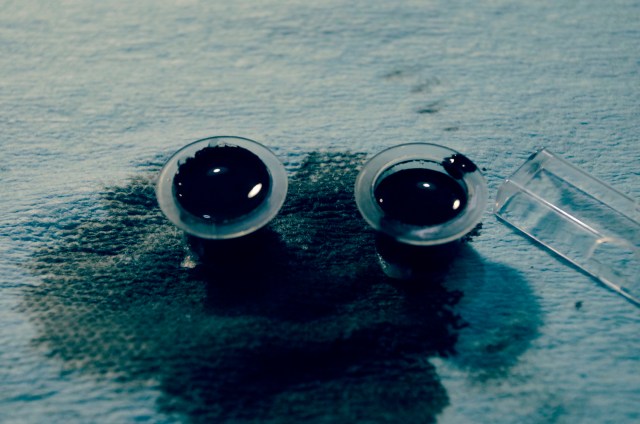
Black and grey tattoos are a popular choice for tattoo collectors on Guam. Several factors contribute to their popularity. Primarily, there is a common belief that color tattoos don’t hold well on darker skin. While there is some truth to that theory, a better explanation would be the nice weather year round and the beautiful beaches on Guam exposing tattoos to more sunlight than in other parts of the world.
Black is perhaps the most durable of tattoo pigments. Being carbon based, it sits well with our bodies’ chemistry and there are few, if any, reactions to black ink. If a tattooer has been around long enough to remember the tribal arm band craze, there is a good chance that he/she has done at least several square feet of solid black. In that case, experience plays into how well a tattoo will age. Guam, like many other islands, has an affinity for tribal tattoos, and there are only a few exceptions where any color but black is appropriate.
Much of the black and grey tattooing as we know it is rooted in Chicano culture. As the story goes, the techniques were first developed in the prison system, where supplies (especially colored ink) weren’t as readily available. Humans are an innovative species, and even in the absence of such materials, artists were able to apply skillful designs to skin. To this day, there is an entire subculture dedicated to religious imagery and portraits done in black and grey.
As sentences were completed and people were released from prison with these tattoos, the community was exposed to an entirely new style of tattoo. It wasn’t long before there was a demand for these tattoos on the outside, and professional artists such as Freddy Negrete and Jack Rudy were able to capitalize on the new market. Previously, there were few options beyond the “pick it and stick it” flash culture which was central to American traditional tattoos. With black and grey, especially considering that you probably wouldn’t find a picture of your relatives on the walls of a tattoo parlor, the demand for custom tattoos grew like never before.
Even as tattoos become more and more mainstream, there are cultural stigmas attached to it, and it may never be classified as fine art. Is fine art what we want our trade to become though? There is a pride we all should take in being technicians and skilled workers, and to embrace the lowbrow history of the craft may go a long way to prevent us from becoming the stereotypical art snobs who we don’t really care for anyways. So for every Kat Von D or Dave Navarro pulling tattoos into the public spotlight, it’s important to have the mugshot of some psychopath with face tattoos in the news or someone such as Erik Sprague or Lucky Diamond Rich to maintain some balance. Although tattoos are no longer reserved for only prisoners and sideshow acts, that history provides us with a certain edge that sparks interest in many people and makes tattooing an art form through which our clientele are able to express their individuality.
I’ll be on island for another 2 weeks before I head out for a little while. I have time available for a few more tattoos, so let me know if you would like to get some work done sooner than later!!!
 Ian Overseas